The best pots for bonsai
A bonsai pot is part of the composition, not just a container. It also does real work: restricting roots is how the tree stays in proportion.
What kind of pot does a bonsai need?
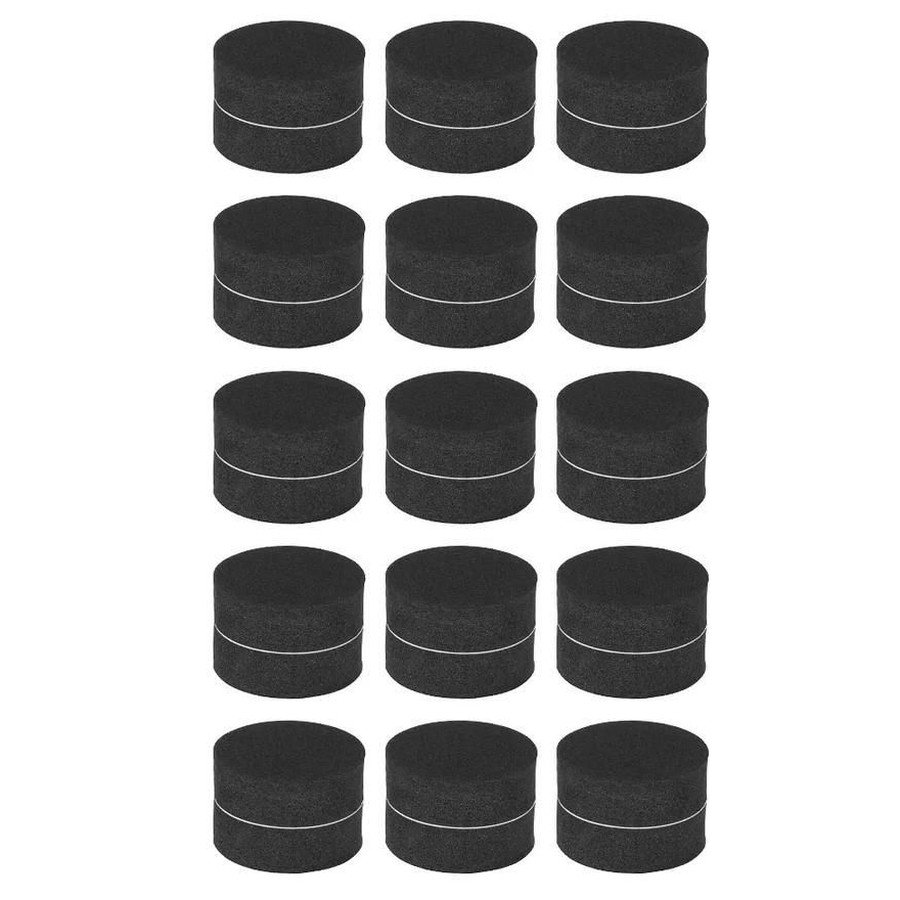
Bonsai use shallow pots with generous drainage holes, which restrict root growth and keep the tree in proportion. A training pot is deeper and helps a young tree build roots; a display pot is shallower and shows the tree off. Both need feet or a tray so water never sits underneath.
- Shallow pots restrict roots and hold the tree in scale
- Training pots are deeper; display pots are shallower
- Multiple large drainage holes, not one small one
- Use free-draining bonsai soil, never standard compost
What we would use
Pots and kit for bonsai


How to choose
- Pot width roughly two thirds of the tree's height
- Unglazed pots suit conifers; glazed suits flowering trees
- A drip tray protects furniture without waterlogging roots
- Repot every two to three years and trim the roots
Questions
Bonsai pots - FAQs
Why are bonsai pots so shallow?
Restricting the root system is what keeps the tree miniature and in proportion. A shallow pot also dries quickly, which suits the free-draining soil bonsai need.
What is the difference between a training pot and a display pot?
A training pot is deeper and plainer, letting a young tree build a strong root system quickly. A display pot is shallower and chosen to suit the tree visually.
How often should a bonsai be repotted?
Every two to three years for most species, in early spring, trimming the roots at the same time so the tree stays in balance with its pot.
Do bonsai pots need drainage holes?
Yes, and usually several large ones. Bonsai soil is designed to drain almost instantly, and standing water will kill a tree quickly.