
The best pots for orchids
Orchids are the one houseplant where the pot genuinely decides whether the plant lives. Their roots need light and air, and standing water kills them faster than neglect.
What kind of pot does an orchid need?
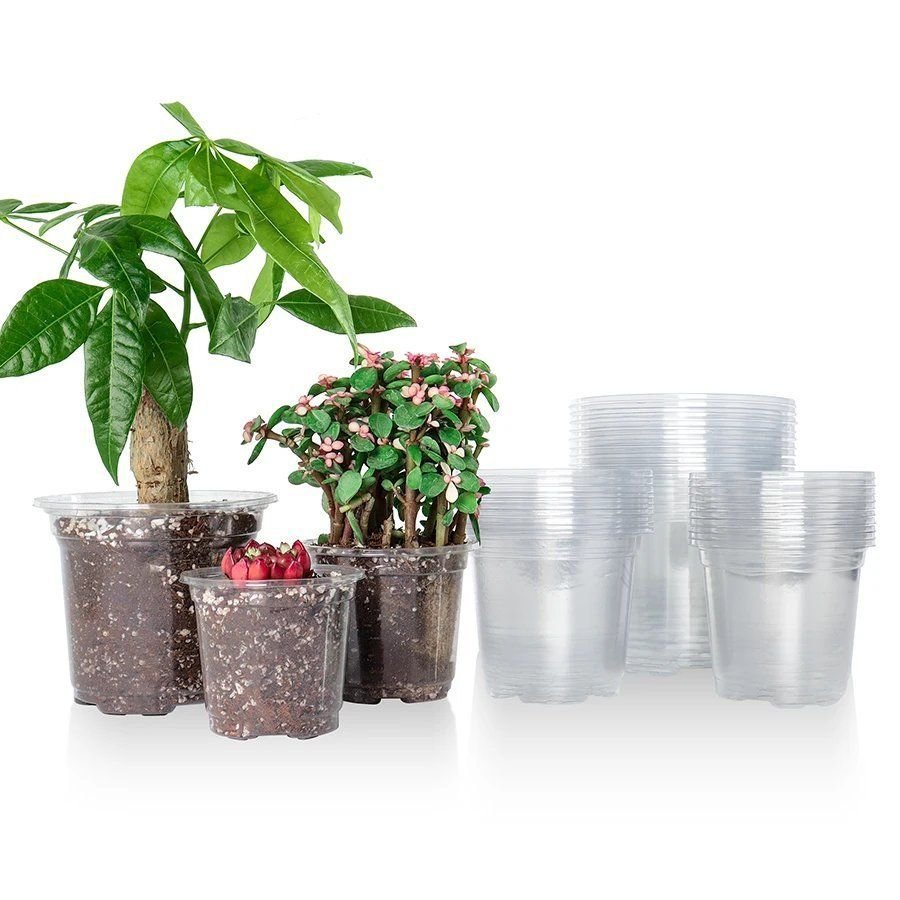
Orchids need a clear pot with slotted or mesh sides. The roots photosynthesise, so they want light, and they rot quickly in still, wet air, so they want ventilation. Pot into bark-based orchid compost rather than standard soil, and never let the pot stand in water.
- Clear sides let orchid roots photosynthesise
- Slots and mesh keep air moving around the roots
- Use bark-based orchid compost, never standard potting soil
- Empty the outer pot after watering - orchids hate standing water
What we would use
Pots and kit for orchids


How to choose
- Match the pot to the root ball, not the leaves
- A clear inner pot inside a decorative outer pot works best
- Water by soaking, then let it drain completely
- Repot every two years, when the bark breaks down
Questions
Orchids pots - FAQs
Why are orchid pots transparent?
Because orchid roots contain chlorophyll and photosynthesise like leaves do. A clear pot lets light reach them, and it lets you see root colour, which is the quickest way to spot overwatering.
Can I use a normal plant pot for an orchid?
Only as a decorative outer pot. Keep the orchid in a slotted clear pot inside it, or the roots sit in trapped moisture with no airflow and rot.
How often do orchids need repotting?
Every 18 months to two years, or once the bark compost has broken down into fine, soggy material that no longer drains freely.
Do orchid pots need drainage holes?
Yes, and plenty of them. Orchid pots usually have slots down the sides as well as holes in the base, so water leaves fast and air gets in.