Quick answer: Position a large planter before you fill it, because once loaded it is not moving. Fill the bottom third with something light and inert rather than compost, make sure it has real drainage, and raise it on feet so water can leave. Most large plants root in the top half anyway.
Big planters go wrong in ways small ones do not, and almost all of it comes down to weight and water.
Put it where it is going first
The first rule and the one people learn the hard way.
A large planter full of wet compost is genuinely heavy, and once it is filled and planted you are not moving it without help and a sack truck.
Decide the position, check it, then fill. On a balcony or roof terrace, check the structural weight limit before you buy anything at all.
Do not fill it all with compost
Two reasons: weight, and the fact that most plants do not use the bottom of a deep container anyway.
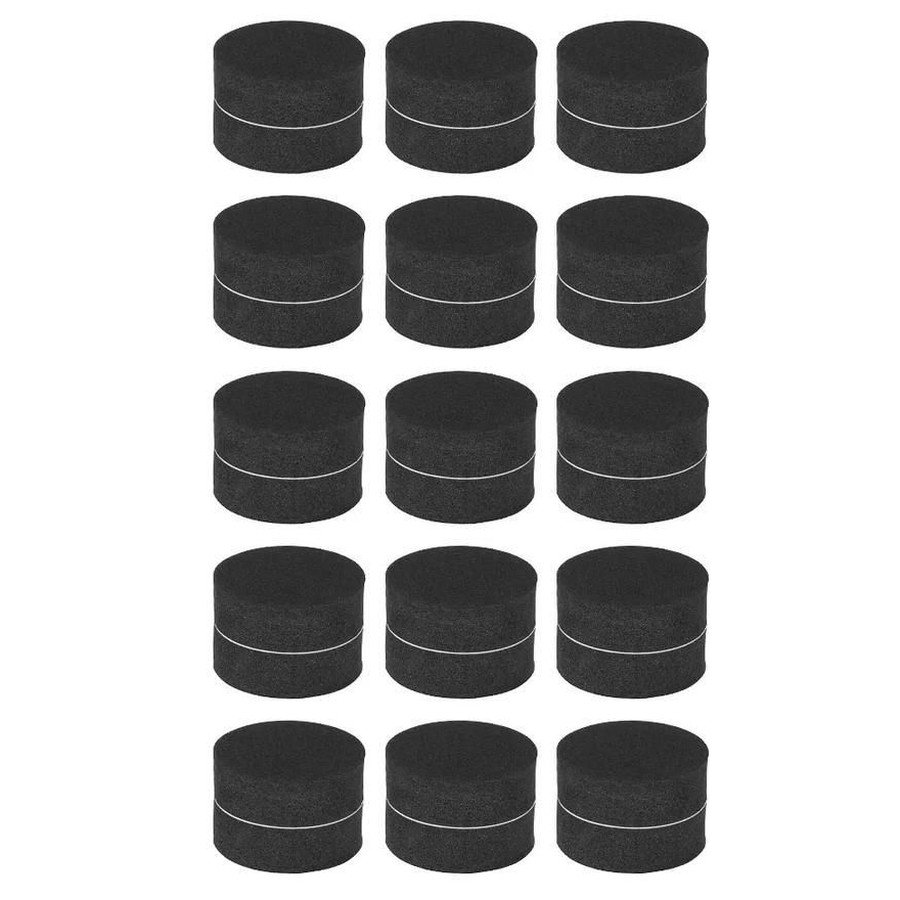
Fill the bottom third with something light and inert. Upturned plastic pots, chunks of polystyrene, crushed plastic bottles with the caps on.
Then a permeable layer — landscape fabric or old compost bag with holes — and compost above that.
You save a great deal of weight and a great deal of compost. Worth being clear that this is not the same as putting gravel in for "drainage", which does not work and is covered in the drainage guide. Here you are displacing volume, not managing water.
Drainage has to be real
A large planter collects a large amount of rain. One small hole cannot clear it.
Several holes, and check they are not blocked by whatever you used as filler. If the planter has no holes, drill them before filling — you will not be able to afterwards.
Raise it on feet so water can actually leave the base. Pot feet under a big planter also stop it sitting in a puddle and freezing, which is the point of the winter guide.
Material at scale
Weight becomes the deciding factor rather than a detail.
| Material | At large size |
|---|---|
| Plastic | Light, practical, movable. Often the sane choice. |
| Fibreclay / stone-look | Looks like stone, weighs a fraction of it. |
| Real ceramic | Beautiful, extremely heavy, cracks if it freezes wet. |
| Wood | Light for its size, needs lining and feet. |
| Metal | Strong, thin-walled, needs lining against heat and cold. |
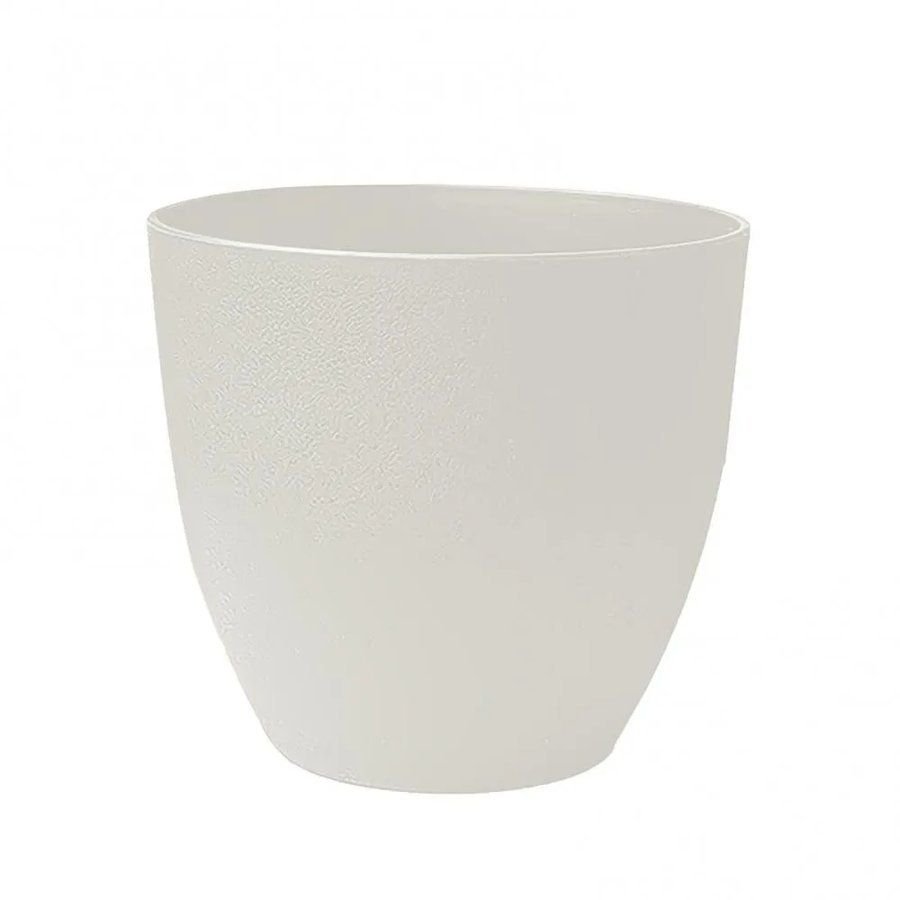
A stone-look pot is usually the right compromise, and extra large tree planters is where the biggest live. The plastic case is worth reading if you are resisting it, and the wood guide covers lining.
Watering a big planter
Counter-intuitively, large planters dry out unevenly rather than staying wet.
Water applied to the surface can run down the inside wall and out of the bottom without wetting the middle at all. Then the plant wilts in a pot you have just watered.
Water slowly, in stages, and let it soak. And check the moisture properly at depth, not on the surface — the point of the watering guide.
Growing bags as the alternative
For vegetables, a grow bag beats a rigid planter for most purposes: cheap, light, and you can fold it away at the end of the season.
Potato grow bags are the obvious case, and they drain and warm better than a big rigid pot does.
Wind
A large planter with a tall plant in it catches a lot of wind. Weight at the base is what keeps it upright, which is one argument against filling the bottom with polystyrene in an exposed spot.
In a windy position, use the real thing low down and save the weight elsewhere. Large garden planters and the outdoor guide cover the rest.
The short version
- Position a large planter before filling it - once loaded it will not move.
- Fill the bottom third with light inert material; most plants root in the top half.
- That is displacing volume, not creating drainage - the two are different things.
- Several drainage holes, kept clear of filler, and the planter raised on feet.
- Large planters dry unevenly; water slowly in stages so the middle actually wets.
Frequently asked questions
What should I put in the bottom of a large planter?
Something light and inert to displace volume: upturned plastic pots, polystyrene chunks or capped plastic bottles, then a permeable layer such as landscape fabric before the compost. It saves weight and compost, since most plants root in the top half.
Is filling the base the same as adding gravel for drainage?
No, and it is worth separating the two. Gravel added for drainage does not work and simply raises the waterlogged zone. Filling the base of a deep planter with light material is about reducing weight and compost volume, not managing water.
Why does my large planter dry out in the middle?
Because water applied to the surface can run down the inside wall and straight out of the drainage holes without wetting the core. Water slowly and in stages so it soaks in, and check moisture at depth rather than on the surface.
What material is best for a very large planter?
Fibreclay or stone-look composite usually, because it looks like stone and weighs a fraction of it. Plastic is the practical choice where looks matter less. Real ceramic at that size is extremely heavy and cracks if it freezes while wet.
Should I still fill the base with polystyrene in a windy spot?
Probably not. Weight low down is what keeps a tall planted container upright in wind, so hollowing out the base works against you. In an exposed position use real compost or ballast low down and save weight elsewhere.