Quick answer: Raise every pot on feet, group them together against a wall, wrap the vulnerable ones and check every drainage hole is clear. Waterlogging does more damage than cold, and a pot standing in a puddle through December is the most common way to lose both pot and plant.
An afternoon in late October saves a lot of swearing in February. This is the order I do it in.
1. Get everything off the ground
Do this first, because it matters most.
A pot standing flat on a patio blocks its own drainage hole. Water backs up, the compost stays saturated, and when it freezes it expands — cracking the pot and killing the roots.
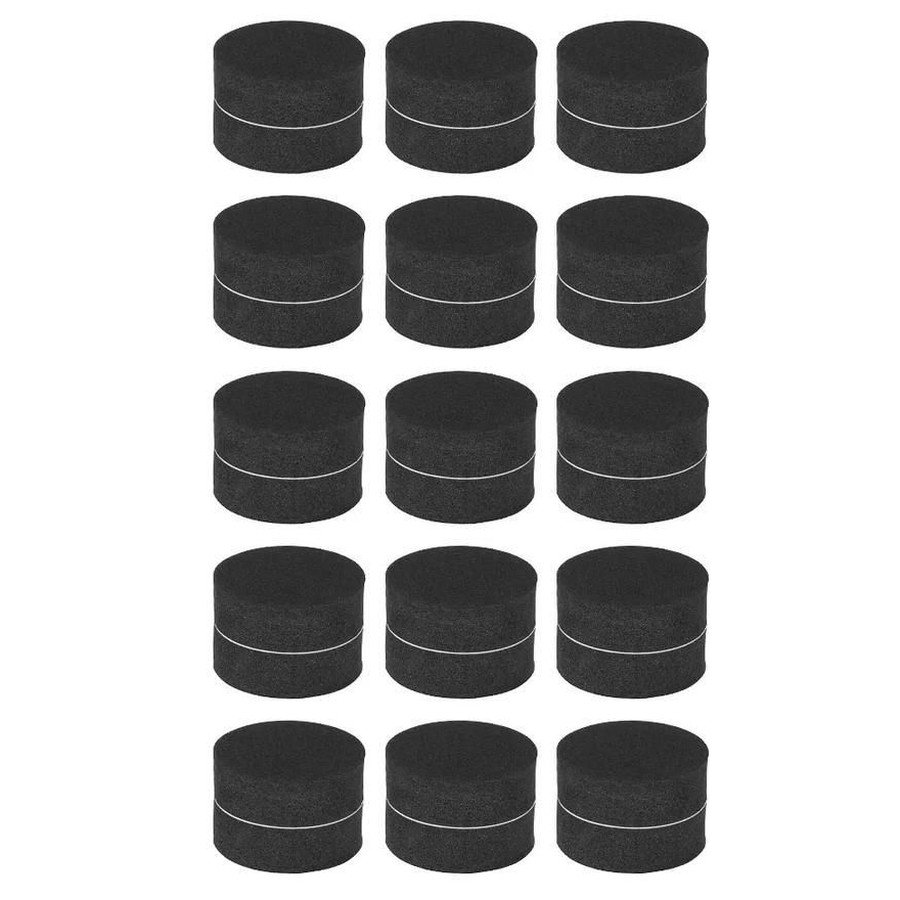
Pot feet, bricks, offcuts of timber. Anything that lifts the base a centimetre. Low-profile feet do it neatly, and the reasoning is in the saucers and feet guide.
And take saucers away from outdoor pots. Outside, a saucer is just a way of holding water against the base.
2. Group them together
Pots huddled in a block insulate each other. The ones in the middle stay noticeably warmer than a pot standing alone in the open.
Put the most tender ones in the centre and the toughest around the outside.
Move the group against a house wall if you can. A wall gives off stored heat overnight and blocks the worst of the wind.
3. Get out of the wind
Wind does more damage than people credit. It dries evergreen foliage faster than frozen roots can replace the water, and it rocks tall plants until the root ball loosens.
A corner, a wall, behind a bench. On a balcony, the sheltered end rather than the exposed rail.
Stake or shorten anything tall enough to catch the wind, and move tall planters somewhere they cannot topple.
4. Wrap what needs it
Wrap the pot, not the plant, unless the plant is borderline hardy too. You are insulating the root ball.
Hessian, fleece or bubble wrap around the sides. Leave the base clear so it can still drain.
Do not wrap in plastic sheeting that seals the whole thing — you want insulation, not a bag that traps moisture and rots the crown.
5. Check the drainage before the frost
Poke every drainage hole — and if a pot has none, see the drainage guide. A summer of compost and root growth blocks them, and you will not notice until the pot is a bucket.
Tip smaller pots and look. Clear anything blocked with a stick.
Which pots need this most
The porous ones. Low-fired terracotta absorbs water into the clay body, and that water freezing is what flakes the surface off — the frost guide covers how to identify them.
Glazed pots are vulnerable too, because the inside is often bare clay.
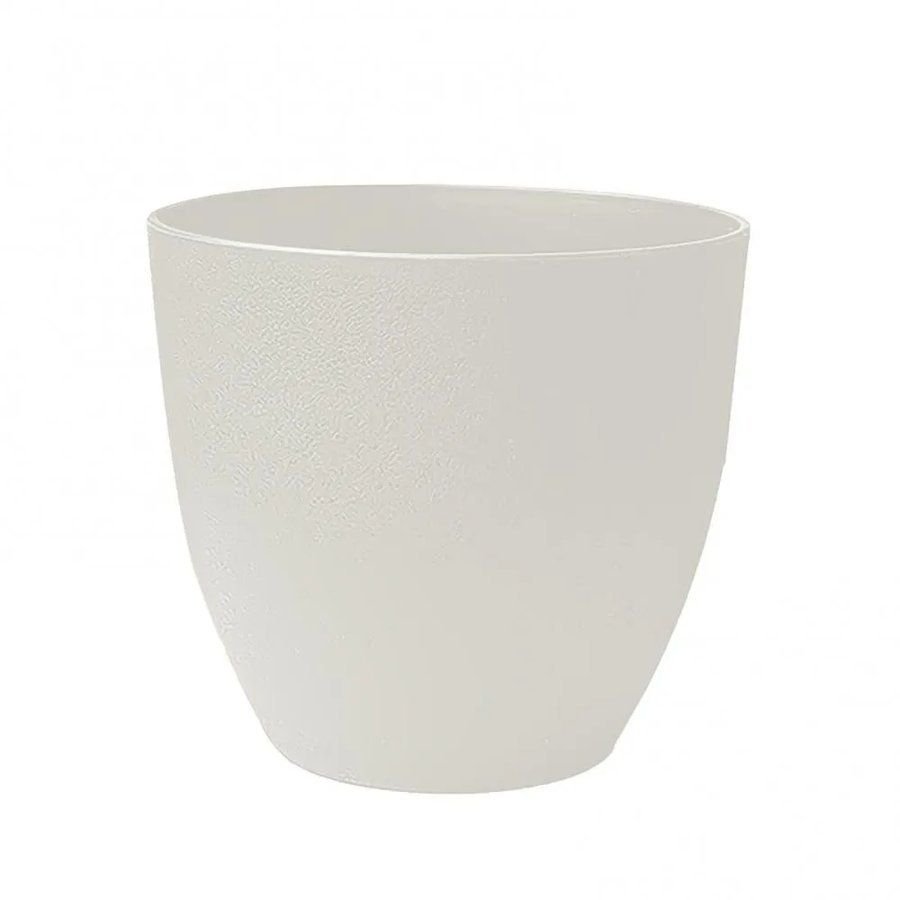
Genuinely frost-proof pots, good plastic and composite stone-look pots need much less fuss. They still want raising off the ground.
What comes indoors instead
Anything tender, and anything in a pot too fragile to risk — that is a separate job, and the overwintering guide covers it, including checking for pests first.
Watering in winter
Counter-intuitive, but pots under an overhang or against a wall can dry out completely in winter, because rain never reaches them.
Check them monthly. Water sparingly on a mild day, in the morning, so it is not sitting cold overnight.
The rest is in the outdoor guide, and replacements are in outdoor pots and large garden planters.
The short version
- Raise every pot off the ground first - waterlogging does more damage than cold.
- Remove saucers from outdoor pots; outside they only hold water against the base.
- Group pots together against a wall, tender ones in the middle, tough ones outside.
- Wrap the pot rather than the plant, and leave the base clear so it still drains.
- Pots under an overhang can dry out completely in winter - check them monthly.
Frequently asked questions
How do I protect plant pots from frost?
Raise them on feet so they drain, group them together against a house wall, wrap the vulnerable ones in hessian or fleece around the sides, and make sure every drainage hole is clear before the first frost arrives.
Should I leave saucers under outdoor pots in winter?
No. Outdoors a saucer simply fills with rain and holds water against the base of the pot, which is exactly what you are trying to prevent. Take saucers away and raise the pot on feet or bricks instead.
Do I wrap the plant or the pot?
The pot, because you are insulating the root ball, which is the part most at risk in a container. Only wrap foliage as well if the plant itself is borderline hardy. Leave the base clear so the pot can still drain.
Does grouping pots together really help?
Yes. Pots huddled in a block shelter each other and the ones in the middle stay noticeably warmer than a pot standing alone. Put the most tender plants at the centre and the toughest around the outside of the group.
Do potted plants need watering in winter?
Occasionally, yes, which surprises people. Pots under an overhang or tight against a wall never get rained on and can dry out completely. Check monthly and water sparingly on a mild morning so it is not sitting cold overnight.