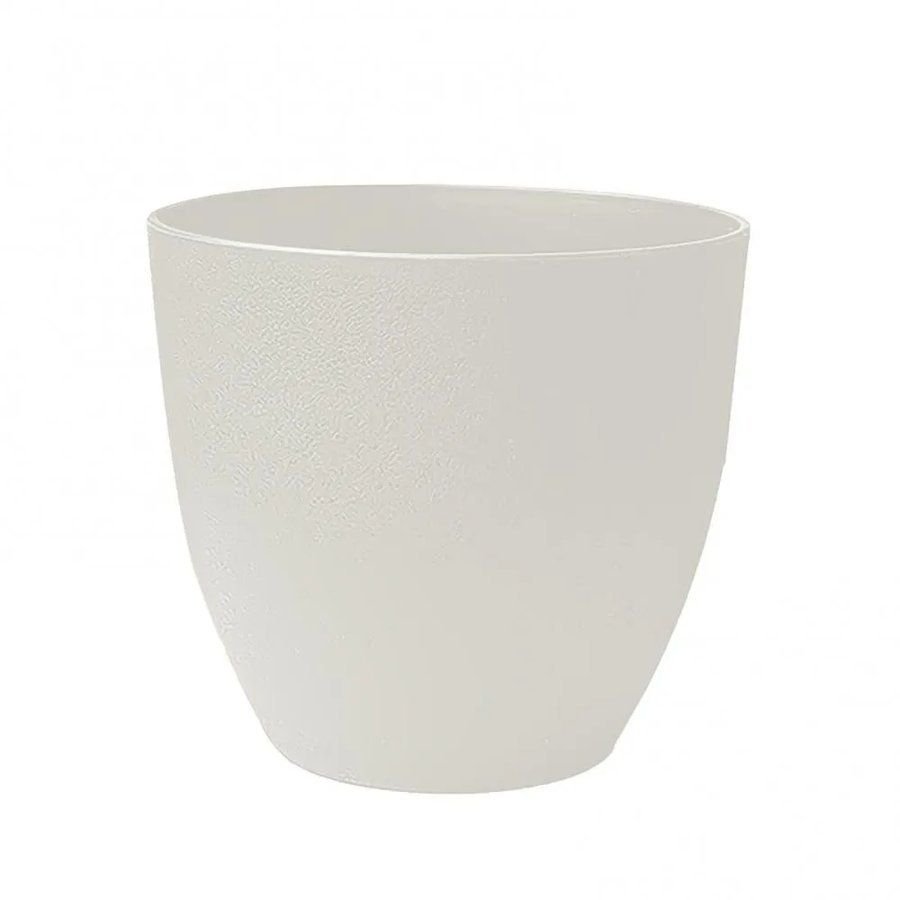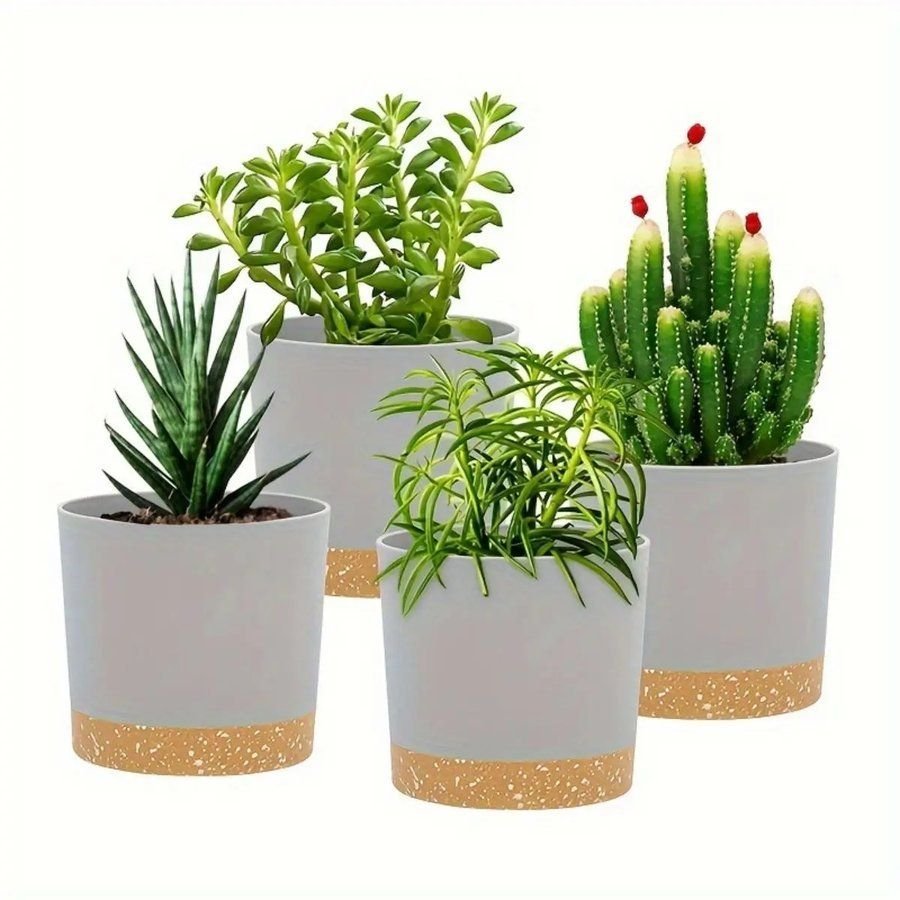
Quick answer: Turn it over. A clean, level foot ring, an even wall thickness, a rim without chips or waviness, and a clear ring when you tap it all indicate a well-made pot. Weight for size tells you about the firing. None of it is about the decoration.
After twenty years of making these, I pick a pot up and know within about ten seconds. Here is what I am actually doing.
1. Turn it over first
Always. The base tells you more than the front.
You want a clean foot ring — the raised rim the pot stands on — that is level, evenly finished, and free of sharp grit that will scratch furniture.
A ragged or lumpy foot means the pot was finished quickly. It also means it will rock, and a rocking pot on a shelf is a falling pot, as the stability guide covers.
Put it on a flat surface and press one edge. Any movement is a defect.
2. Tap it
Flick the side with a fingernail.
A clear ring means a dense, well-vitrified body — fired hot enough and long enough. A dull thud means porous, which matters enormously outdoors, as the frost guide explains.
A buzz or rattle can mean a hairline crack. Look carefully before buying.
3. Weigh it in your hand
Weight for size tells you about wall thickness and about firing.
Too light usually means thin walls, which chip at the rim and can crack under root pressure. Very heavy is not automatically better, but suspiciously light almost always is worse.
Buying online you cannot do this, which is why the stated weight matters — the online buying guide makes the point.
4. Run a finger round the rim
It should be smooth, even in thickness, and round rather than slightly oval.
Small waviness is normal on genuinely handmade work and is part of the appeal. Sharp edges, chips or a rim that varies noticeably in thickness are not.
The rim takes the knocks, so a thin one is where a pot will eventually fail.
5. Look at the glaze
Even coverage, no bare patches where it has run thin, no crawled areas where it has pulled away from the clay.
Pinholes and small bubbles are common and largely cosmetic. Crazing — a fine web of cracks — is also cosmetic on a plant pot, though it means the glaze is no longer a perfect seal, as the glaze guide notes.
Check where the glaze stops near the base. A clean, deliberate line means care.
6. Check the drainage hole
Cleanly cut, not punched roughly from one side leaving a burr.
Big enough to actually drain, and on a large pot there should be more than one — the drainage guide covers why.
A hole drilled after firing looks different from one formed before, and is more likely to have chipped edges.
What does not tell you anything
The word "handmade", which is applied to a great deal of machine-made work.
Price alone, though it correlates — the spending guide covers what money actually buys.
And decoration. A beautifully patterned pot with a rocking base is a badly made pot with a nice pattern — something worth remembering when browsing the decorative range.
The honest caveat
Not every pot needs to be well made. A nursery pot hidden inside a basket can be as cheap as you like.
Apply this to pots you will see, pots that will hold weight, and pots that will live outside. For everything else, buy the cheap one and spend the difference elsewhere.
The full range is the place to browse, with more in the materials guide and the buyer's guide.
The short version
- Turn the pot over first - a clean, level foot ring is the clearest sign of care.
- Tap it: a clear ring means a dense hard-fired body, a dull thud means porous.
- Suspiciously light for its size means thin walls that will chip and crack.
- Check the glaze stops in a clean deliberate line, and that the drainage hole has no burr.
- Decoration tells you nothing. A patterned pot that rocks is still a badly made pot.
Frequently asked questions
How can I tell if a plant pot is well made?
Turn it over and check the foot ring is clean, level and free of sharp grit. Tap the side for a clear ring rather than a dull thud, weigh it in your hand for its size, and run a finger round the rim.
What does tapping a pot tell you?
A clear ring indicates a dense, well-vitrified body fired hot enough to absorb very little water, which is what makes a pot survive outside. A dull thud means a porous body. A buzz or rattle can indicate a hairline crack.
Is a heavier pot always better?
Not automatically, but suspiciously light for its size almost always means thin walls, which chip at the rim and can crack under root pressure. Weight is a proxy for wall thickness and firing, both of which matter.
Is crazing in the glaze a fault?
Cosmetic on a plant pot, and many people like the effect. It does mean the glaze is no longer a perfect seal, so the pot behaves a little more like unglazed clay. It is not a reason to reject a pot.
Does every pot need to be well made?
No. A nursery pot hidden inside a basket can be as cheap as you like. Apply these checks to pots you will actually see, pots that must hold real weight, and anything that will live outside through a winter.