Quick answer: In a UK winter most houseplants need far less water, more light and steady warmth. Water only when the top few centimetres of compost are dry, empty saucers and cover pots after watering, move pots off cold sills at night and away from radiators, and stop feeding until spring.
Every January I get the same message from friends. The plant was fine in October. Now it is yellow, droopy and sad. What happened?
Nine times out of ten, the answer is water. Not cold, not draughts, not some mystery bug. Just the same watering routine carried on into a season when the plant has almost stopped drinking.
So this guide is about the small changes that get houseplants through a British winter. Most of them are about the pot, the saucer and where the pot sits. None of them take long.
Why winter is different for a plant indoors
By December much of the UK gets under eight hours of daylight, and the light that does arrive is low and weak. A plant can only use water as fast as it can photosynthesise. Less light means less growth, and less growth means much less water leaving the compost.
Central heating complicates it. The air dries out, so the leaves feel thirsty. But the compost in the pot often stays wet for twice as long as it did in summer.
That gap is the whole problem. The top looks dry. The roots are sitting in damp compost. And roots in wet, cold compost run out of air and start to rot.
Cut the watering, then cut it again
Forget the calendar. "Every Sunday" is a summer rule. In winter, water when the plant tells you to.
- Push a finger into the compost. If the top 3 to 5cm is still damp, wait.
- Lift the pot. A dry pot is noticeably lighter, and you learn the feel quickly.
- When you do water, water properly, then let it drain right through.
- Use room-temperature water. Cold tap water straight onto warm roots is a shock.
For most leafy houseplants that works out at roughly half as often as in summer. For succulents and cacti it can be once a month or less. Our guide to succulent and cactus pots explains why they need so little.
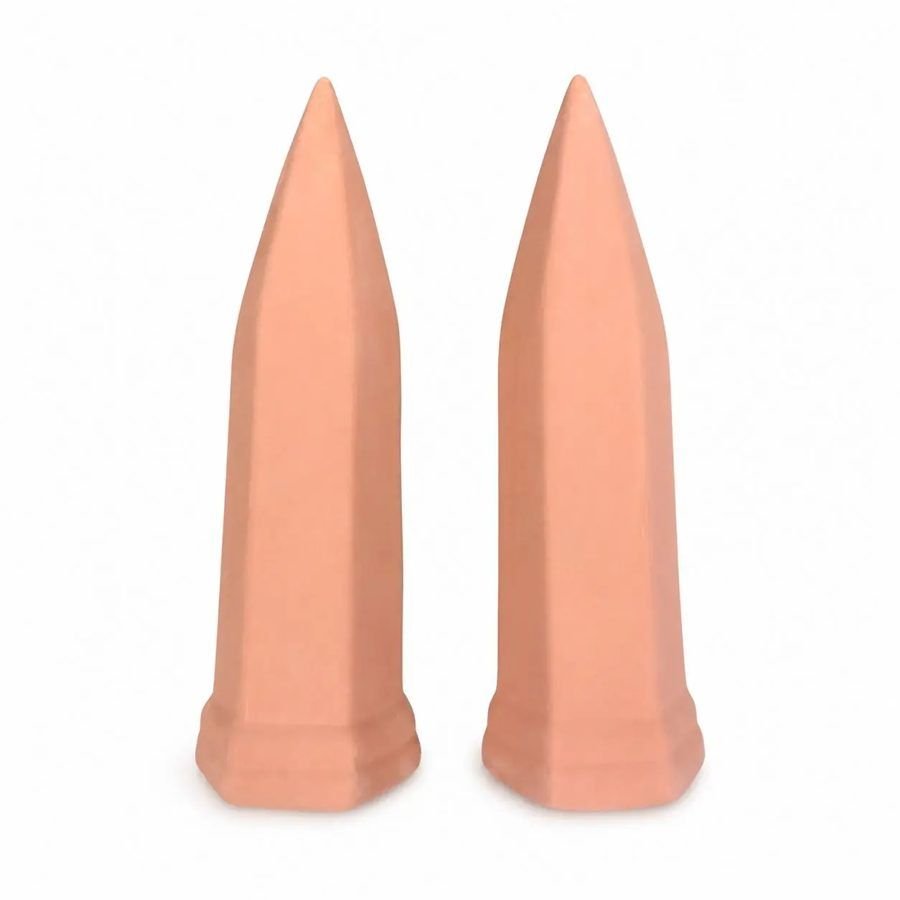
If you struggle to judge it, terracotta watering stakes release water slowly as the compost dries. They take some of the guesswork out of it.
Empty the saucer. Every time.
This is the single habit that saves the most plants in winter.
Water that drains into a saucer, or into the bottom of a decorative cover pot, does not evaporate quickly in a cool room. It sits there. The bottom of the root ball sits in it. And that is how a plant rots from the base while the top still looks fine.
So give it ten or fifteen minutes after watering, then tip the saucer out. If your plant lives in a cover pot or basket, lift the nursery pot out to water it and drop it back once it has drained. A pot and saucer set makes that easy, and we cover the details in why you need a saucer.
And if a pot has no drainage hole at all, winter is when it catches up with you. Here is how to add a drainage hole before it does.
Where the pot sits matters more now
In summer a windowsill is the best seat in the house. In winter it is complicated.
The light is still best there. But single glazing and older double glazing get very cold at night, and a pot pressed against the glass can chill right through. Leaves touching frosty glass can scorch.
Radiators are the opposite problem. A plant on a shelf above a radiator dries out on one side and bakes, while the compost underneath can still be wet.
Here is how I would set a room up:
| Spot | Winter risk | What to do |
|---|---|---|
| South or west windowsill | Cold glass at night, curtains trapping cold air | Keep it there by day, pull it into the room on frosty nights |
| North windowsill | Very low light, plant stops growing | Move light-lovers closer to a brighter window until March |
| Shelf above a radiator | Dry leaves, scorched edges, uneven drying | Move it at least a metre away, or turn that radiator down |
| Floor by a door | Draughts every time it opens | Raise the pot and shift it out of the path of the draught |
| Cold tiled or stone floor | Chilled roots in the bottom of the pot | Lift the pot off the floor on feet, a stand or a cork mat |
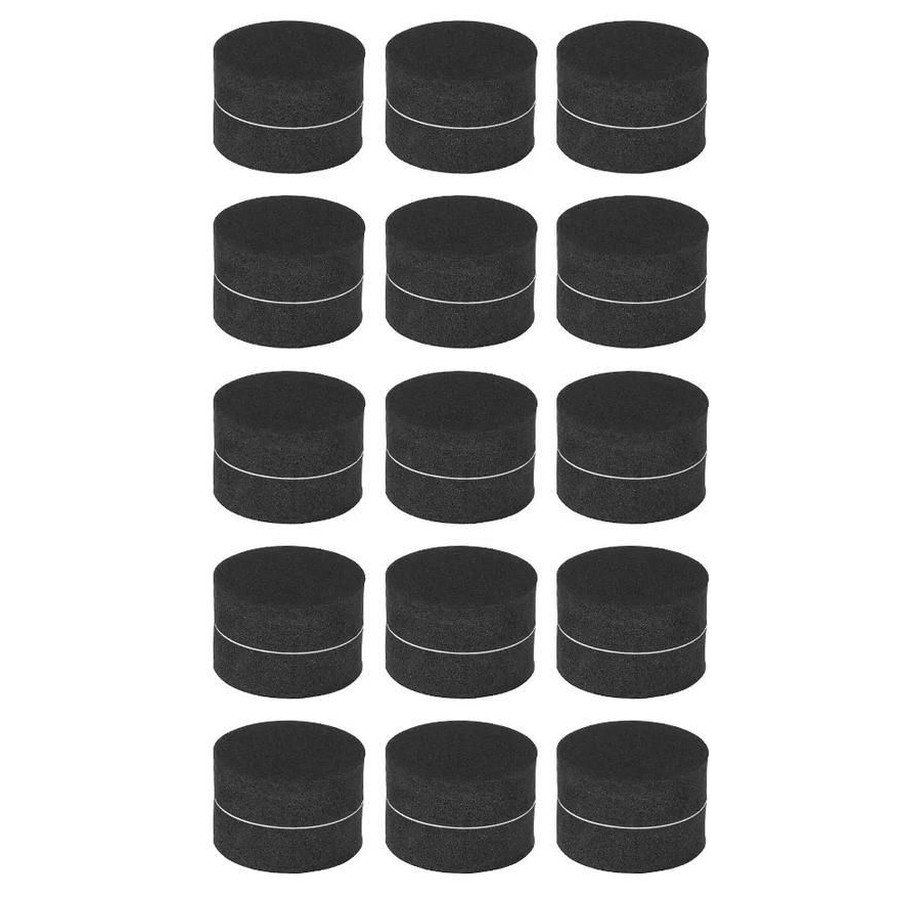
That last one surprises people. A pot standing straight on cold tiles keeps its roots several degrees colder than the room. Pot feet lift it just enough to let air under, and they stop water pooling beneath the pot too. If you would rather raise plants properly, pots with stands do the same job and look better doing it.
Self-watering pots need turning down
I love self-watering pots. In summer they are brilliant. In winter they need a little thought.
A full reservoir keeps feeding water up into the compost whether the plant wants it or not. For a slow-growing plant in a dim room, that can mean compost that never quite dries.
The fix is simple. Let the reservoir run almost empty before you refill it, and only fill it part-way. For plants that like to dry out, empty it altogether until spring. How self-watering pots work goes into the mechanics if you want them.
Do not repot or feed until spring
Winter is the wrong time to move a plant into a bigger pot. Roots barely grow, so a larger pot just means a larger volume of cold, wet compost around a root system that cannot use it.
Unless the plant is genuinely falling apart, leave it until March or April. You can check whether it really needs a bigger pot with the six signs it is time to repot, and work out the next size with our plant pot size calculator.
Feeding is the same story. Fertiliser in winter mostly builds up as salts in the compost. Stop in October, start again when you see new growth in spring.
Which pot material behaves best in winter?
The material makes a real difference in a cool house, because it decides how fast the compost dries.
- Terracotta breathes and dries quickly. That is a gift in winter for anything prone to rot. See our terracotta and clay pots.
- Glazed ceramic holds moisture for longer. Lovely for thirsty plants, but water less often than you think.
- Plastic holds moisture the longest. It is light and cheap, and it needs the most care with the watering can.
- Baskets and cover pots look warm and cosy, but they hide standing water. A seagrass belly basket is lovely; just check the bottom after watering.
For the long version, there is a full comparison in terracotta vs ceramic vs plastic. You can browse the whole indoor plant pot range too.
Signs something is going wrong
Catch these early and most plants recover:
- Yellow lower leaves and soft stems. Too much water. Let it dry right out before the next drink.
- Crispy brown leaf edges. Dry air or a radiator nearby. Move it, and group plants together to share humidity.
- Leaves dropping after a move. Usually a cold shock or a draught. Find it a steadier spot and leave it alone.
- A sour smell from the pot. Roots are rotting. Tip it out, cut away anything black and mushy, and repot into fresh, dry compost.
- Long, pale, stretched growth. Not enough light. Move it closer to a window.
And the outdoor pots?
If you have pots outside too, winter is a different fight. It is frost and freeze-thaw that does the damage there, and the pot material matters even more. Our guide to frost-proof pots for a UK winter covers what survives and what cracks.
Indoors, though, the rule is simple. Less water. More light. Steady warmth. Get those three right and your plants will still be there to wake up in spring.
The short version
- Overwatering, not cold, kills most houseplants in a UK winter.
- Water only when the top 3 to 5cm of compost is dry, and drain the saucer every time.
- Pull pots off cold windowsills on frosty nights and keep them away from radiators.
- Run self-watering reservoirs low, and empty them for plants that like to dry out.
- Leave repotting and feeding until spring, when the plant starts growing again.
Frequently asked questions
How often should I water houseplants in winter?
Roughly half as often as in summer for most leafy houseplants, and as little as once a month for succulents and cacti. Do not go by the calendar. Water when the top 3 to 5cm of compost is dry, then let the pot drain fully and empty the saucer.
Is it OK to keep houseplants on a windowsill in winter?
By day, yes, because that is where the light is. On frosty nights, pull them back into the room, especially behind curtains or near single glazing. Cold glass can chill the compost and scorch any leaves touching it.
Should I repot a houseplant in winter?
Usually not. Roots barely grow in winter, so a bigger pot just holds more cold, wet compost. Wait until March or April unless the plant has root rot or a broken pot, in which case repot into fresh, dry compost straight away.
Do self-watering pots work in winter?
They do, but turn them down. Let the reservoir run nearly empty before refilling and only fill it part-way. For plants that like to dry out, such as succulents, empty the reservoir until spring.
Why are my houseplant leaves turning yellow in winter?
Most often it is too much water. Lower leaves yellow first and stems go soft. Let the compost dry out properly, empty any water sitting in the saucer or cover pot, and water less often from now on.