Quick answer: A stand buys height without a bigger plant, which is the cheapest way to make a group look composed. Choose one with a base at least as wide as the pot, keep the centre of gravity low, and put felt pads underneath so it cannot mark the floor.
Stands are the most underrated thing in this whole category. They solve a design problem and a practical one at once.
What a stand actually does
It creates height without a bigger plant. A group of pots all at the same level reads as flat — the styling guide makes the case. A stand gives you a tall element instantly.
It lifts a pot off a cold floor. Floors near external walls and windows are markedly colder than the air, and roots sitting on one in winter suffer.
It lets air move underneath, so the floor dries and the pot base does not sit in condensation.
It puts trailing plants where they can trail. A pothos on the floor sprawls. On a stand it hangs — the same effect hanging pots achieve from above.
Stability, which is the whole safety question
A stand plus a pot plus wet compost plus a leaning plant is a tipping hazard, particularly around children and cats.
Two rules.
The base should be at least as wide as the pot. A narrow tripod under a wide pot looks elegant and falls over.
Keep the mass low. A heavy pot on a tall thin stand is a bad idea. Either lower the stand or lighten the pot — a plastic nursery pot inside a light cover is much safer up high than solid ceramic.
Test it by pushing the plant gently sideways at the top. If it rocks, it will go over eventually.
Matching stand to pot
| Pot | Stand |
|---|---|
| Small, light | Almost anything. Height is free. |
| Medium, ceramic | Wide base, low to mid height |
| Large, heavy | Low plinth rather than a stand |
| Trailing plant | Tall and narrow, if the pot is light |
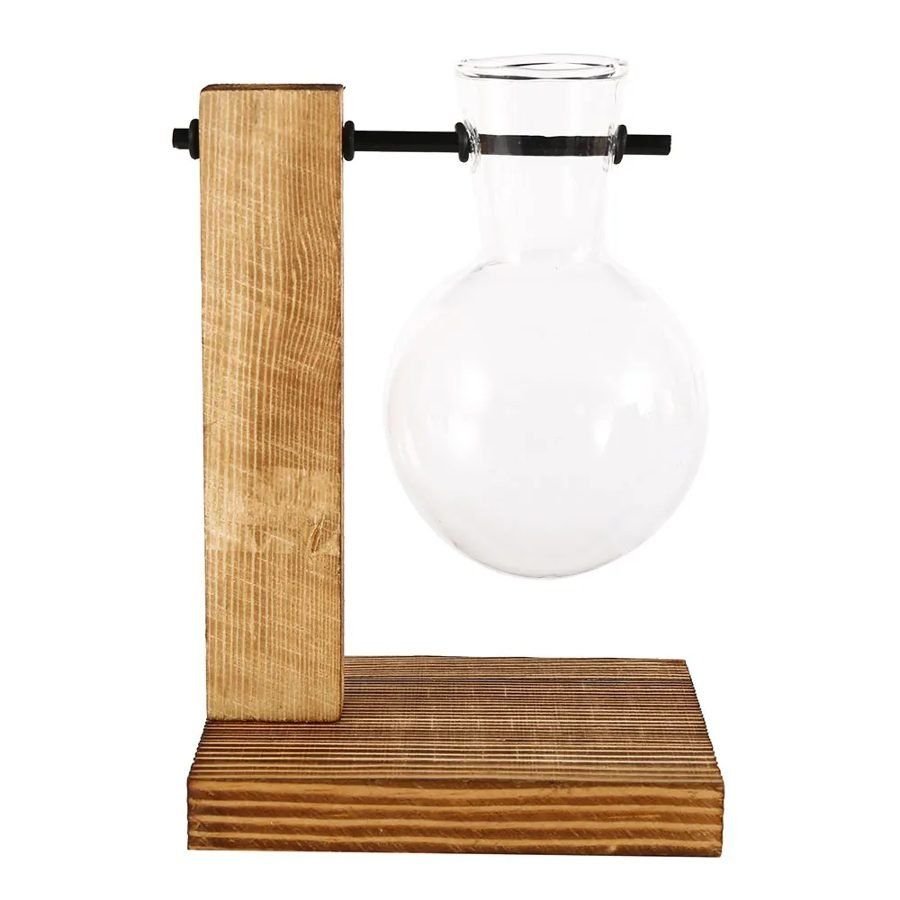
Pots with stands takes the guesswork out, because the two are designed together. A bulb vase stand is a small-footprint option for a windowsill or a shelf.
Protect the floor
A metal or wooden stand on a wooden floor will mark it, and the mark appears slowly enough that you do not notice until you move it.
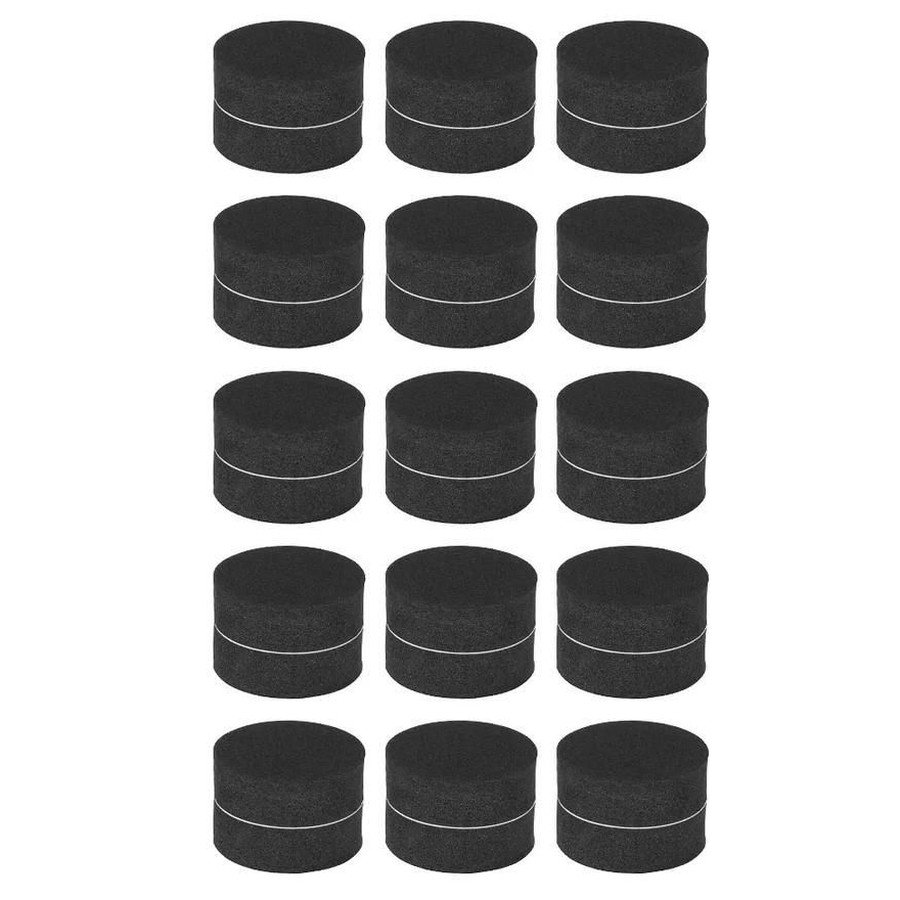
Felt pads under each foot. Cheap, invisible, and they let you slide the stand rather than dragging it.
And put a saucer on the stand under the pot. A stand is not a drip tray — the saucers guide covers what goes where, and matched sets make it tidy.
In a rental this matters more, and the renting guide goes through the rest.
Height and the eye
Roughly: floor level for large plants, 30 to 60cm for medium ones in a group, and higher for trailers where the foliage is the point.
A plant on a stand beside a sofa should have its foliage around the height of the sofa back. Much higher and it looms; much lower and it disappears behind the arm.
The plinth alternative
For a genuinely heavy pot, a low solid plinth beats a stand. It gives lift, air underneath and floor protection with none of the tipping risk.
An upturned sturdy box, a slab of timber, a stack of books you have accepted you will not read. All fine, and none of them will tip a pot from the tall planter range over.
Or lift the pot slightly with pot feet, which gets the air gap without any height at all — often the right answer for something from large indoor pots. There is more in the indoor styling guide.
The short version
- A stand creates height without a bigger plant and lifts pots off cold floors.
- The base should be at least as wide as the pot, and the mass should stay low.
- Push the plant sideways at the top to test it - if it rocks, it will eventually go over.
- Felt pads under the feet, and a saucer on the stand; a stand is not a drip tray.
- For genuinely heavy pots use a low plinth or pot feet instead of a stand.
Frequently asked questions
What is the point of a plant stand?
It creates height without you needing a bigger plant, which makes a group of pots look composed rather than flat. It also lifts the pot off a cold floor, lets air circulate underneath, and gives trailing plants somewhere to trail from.
How do I stop a plant stand tipping over?
Choose one whose base is at least as wide as the pot, and keep the mass low. A heavy ceramic pot on a tall narrow stand is unstable. Push the plant gently sideways at the top; if it rocks, it will go over eventually.
Will a plant stand mark my floor?
Metal and wooden feet both can, and the mark develops slowly enough that you only notice when you move the stand. Put felt pads under each foot, which also lets you slide it rather than dragging it across the boards.
Do I still need a saucer on a stand?
Yes. A stand is not a drip tray, and water running through onto the stand and then the floor is exactly the slow damage you are trying to prevent. Put a saucer between the pot and the stand surface.
How high should a plant stand be?
Around 30 to 60cm for a medium plant in a group, higher for trailers where the hanging foliage is the point, and floor level for anything large. Beside a sofa, aim for the foliage to sit around the height of the sofa back.